
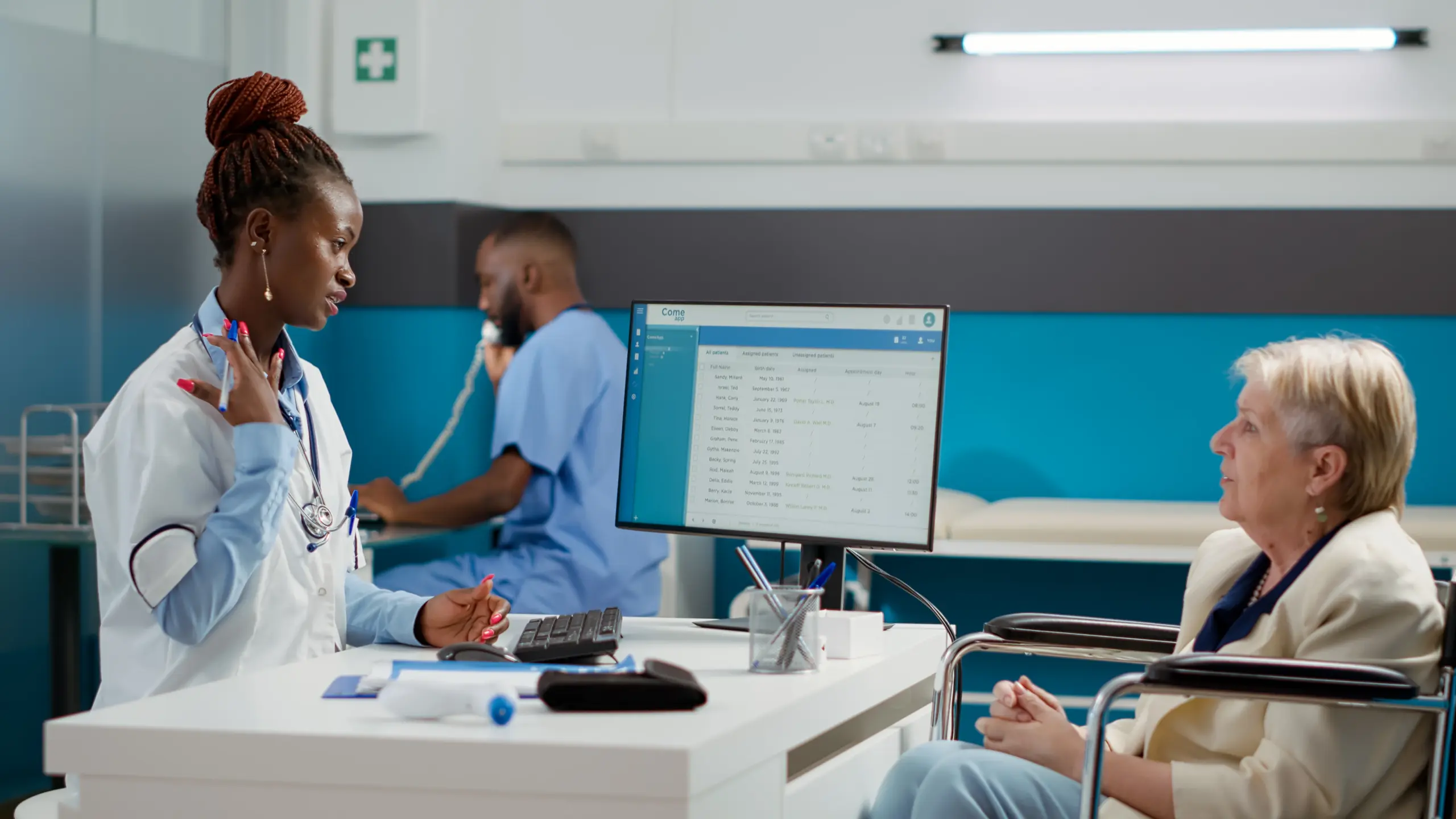
A positive patient experience is essential to quality healthcare. When patients are admitted to a hospital, given treatment, and finally discharged, patients and their loved ones look for proper communication, timely service, and appropriate billing every time. However, when the billing process is labor-intensive, there may be long waiting lines, confusion with regard to cash payments, and delayed discharge procedures, which adds to the already challenging situation.
The role of hospital billing software becomes vital here as the software automates the billing process, processes patient information, and links financial information with other departments of hospitals.
Modern hospital management systems help hospitals manage their operations effectively while allowing employees to devote more time to their patients. Let’s discuss the ways in which hospital billing software makes patients’ experiences better throughout their stay.
1. Faster and Smoother Patient Admission
Patients’ experience starts at the registration point. Long queues, filling out forms multiple times, and incorrect patient information make the admission process difficult for patients and their families.
Hospital billing software streamlines this process by automating registration and billing operations involved in the admission process of patients.
Quick Patient Registration
The software enables hospital personnel to keep track of important information about the patient, including contact numbers and appointment information, in one system. This eliminates redundancy in entering information and allows them easy access to records for future visits.
Accurate Admission Billing
Admission fees, choices of rooms, consulting fees, and relevant deposits can be documented methodically. Patients learn the details of their initial payments so that they know the financial commitments required from them before the start of treatment.
Due to effective patient registration solutions, hospitals can reduce administrative delays and give patients a better first impression.
2. Transparent Billing and Better Cost Awareness
When medical bills arise unexpectedly, they can cause a great deal of stress for patients. Incomplete information, unclear fees, and discrepancies in invoices may impact patients’ trust in the hospital.
Hospitals can increase their transparency via billing software, which allows them to keep good records of all procedures and associated costs.
Clear and Itemized Bills
The system is capable of generating detailed bills that comprise consultation fees, diagnostic tests, medications, room charges, various procedures, and other relevant services. Patients have an option to examine bills and ask for clarifications if required.
Fewer Billing Errors
Automated calculations and standardized billing entries help reduce errors caused by manual calculations and duplicate entries. When patient and service records are properly maintained, hospital staff can verify charges more efficiently.
Transparent billing supports better communication between patients and hospital administration, helping build confidence throughout the treatment journey.
3. Efficient Coordination Between Hospital Departments
A patient’s hospital visit involves several departments, including reception, doctors, nursing staff, laboratories, pharmacies, and accounts. When these departments operate with disconnected systems, billing delays and communication gaps can occur.
Integrated hospital management software connects relevant information across departments, subject to access permissions and system configuration.
Connected Medical and Financial Records
Consultation details, laboratory investigations, prescribed medicines, and procedure-related charges can be recorded and shared with the billing department. This helps staff prepare more complete bills and reduces the need to collect the same information repeatedly.
Improved Service Coordination
When departments can access the information they need quickly, staff can resolve billing queries faster and coordinate patient services more effectively. This creates a more organized experience for patients and their families.
4. Faster Insurance and Cashless Billing Processes
Insurance documentation and cashless treatment procedures can be complicated for patients who are already dealing with medical concerns. Missing documents, incorrect entries, and delayed communication may extend waiting times.
Hospital billing software can support insurance-related workflows by organizing patient billing records and maintaining relevant treatment and payment information.
Organized Insurance Documentation
The system helps staff maintain details such as insurance policy information, authorization records, eligible charges, and payment status. This makes it easier to retrieve the required information when processing insurance claims.
Better Coordination With Insurers
Depending on available integrations, hospitals can use digital workflows to support communication with insurance providers and third-party administrators. Staff can track pending information and follow up on unresolved billing queries.
Although software cannot guarantee claim approval or eliminate insurer delays, organized documentation can help reduce avoidable administrative issues and improve the patient’s overall experience.
5. Convenient Payments and Accurate Financial Records
Patients appreciate having convenient payment options and receiving confirmation of their transactions without unnecessary delays.
Modern hospital billing systems can support different payment methods, depending on the hospital’s configuration and payment gateway integrations.
Flexible Payment Options
Hospitals may accept cash, debit cards, credit cards, UPI, or other supported digital payment methods. Offering convenient options helps patients complete payments according to their preferences.
Digital Receipts and Payment Tracking
Using software capable of issuing payment receipts, monitoring outstanding balances, and recording completed transactions makes it significantly easier for hospital staff to handle payment inquiries, while also giving patients reliable documentation for their reimbursement purposes.
By streamlining the payment process, confusion at the billing counter is minimized, and patients are afforded an easier time at the hospital.
6. Quicker and More Organized Patient Discharge
Discharge represents a significant phase in the patient’s experience. The event does not result in a completed process. Patients must be on hand whilst various formalities around billing and overheads are finalized.
Hospital billing software makes this process easier as it can gather information related to the patient’s billing activity.
Faster Final Bill Preparation
All fees regarding consultations, medication, diagnosis, room, and procedure can be combined into a final bill through the system. The employees could make sure of the presence of all fees and ongoing bills before completing the billing process.
Better Discharge Coordination
When invoicing departments acquire real-time access to financial data, they are able to liaise more effectively with nursing teams as well as other divisions. This minimizes unnecessary administrative exchanges.
With integrated discharge management, it becomes much easier to coordinate discharge summaries, prescriptions, and follow-up instructions based on the current workflows of the hospital.
An efficient discharge management system streamlines the process and enables patients to discharge themselves more informed and prepared than ever before.
7. Improved Patient Satisfaction Through Better Hospital Administration
Patient satisfaction is influenced by more than just the provision of medical care. Effective communication, faster administrative processes, proper record-keeping, and responsive support should all be incorporated into the healthcare system.
The implementation of hospital billing software is helping hospitals standardize their billing procedures and recognize permanent issues in administration.
Better Support for Patient Queries
Staff can retrieve transaction details, review invoices, and check payment status without searching through multiple paper files. This makes it easier to respond to questions and resolve billing concerns.
Useful Reports for Continuous Improvement
Billing reports would allow hospital managers to analyze cash flow, receivables, regular invoices, and volumes of transactions. The obtained results might assist in organizing the efficient use of resources and improving service delivery.
In order to properly coordinate healthcare services, it is necessary to use billing software in combination with electronic medical records, appointment scheduling, and patient management systems.
Conclusion
Hospital billing software plays an important role in ensuring fast, transparent, and well-organized healthcare administration, making the whole process better from the moment a patient is admitted until he or she is discharged. This software minimizes manual work, provides accurate billing, simplifies payment monitoring, and enhances coordination of different departments.
When healthcare providers use nice hospital management tools, they get a chance to boost their performance and make the lives of patients and their relatives much easier.
For hospitals that want to speed up their administrative procedures, having the right integrated hospital billing solution is a good move toward better communication with patients and providing excellent service.